Solutions
How we work
About us
Blog & Insights
Expert articles on solar energy, asset ownership strategies, and the Egyptian energy market.
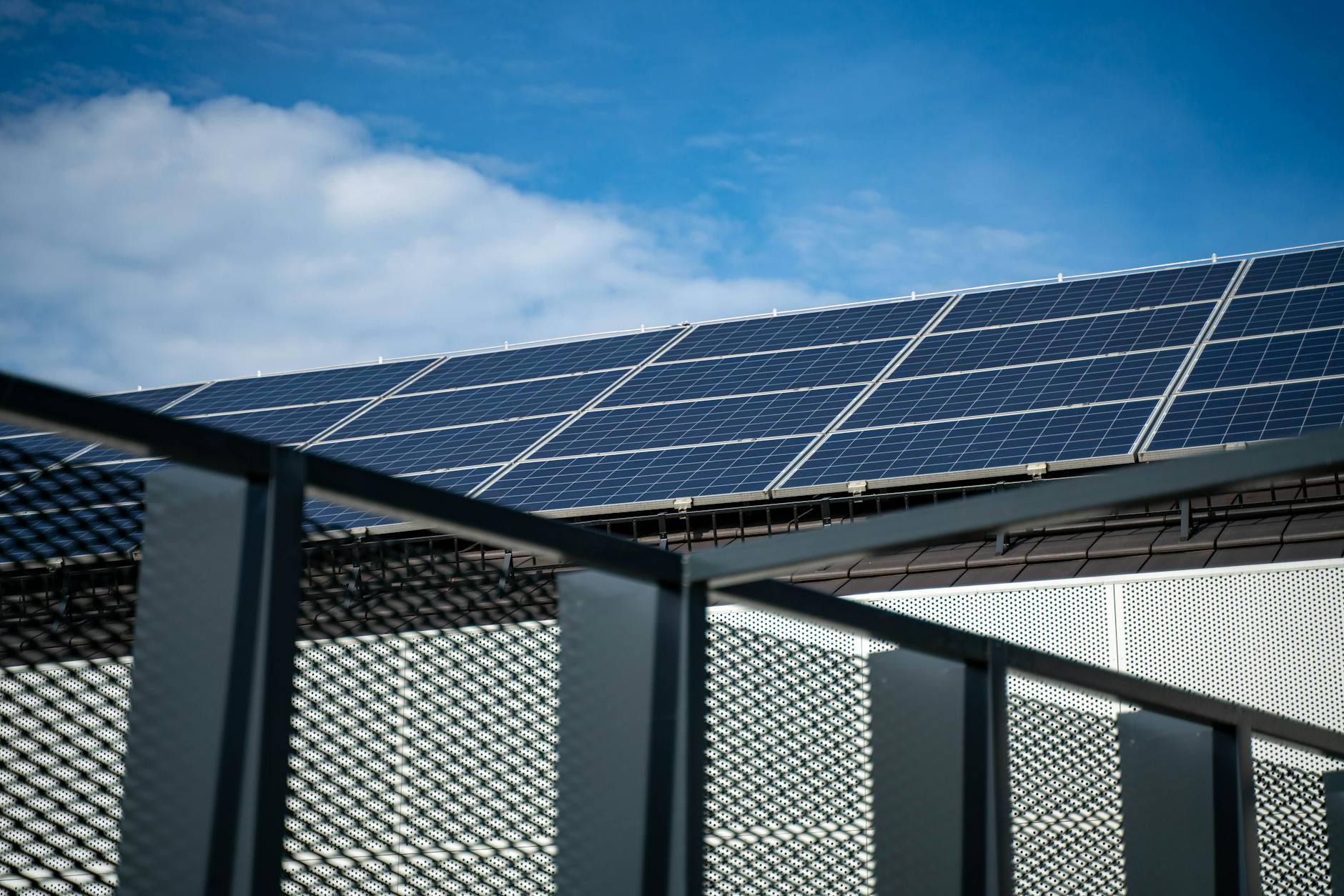
The Egyptian Ministry of Electricity has announced new tariff increases effective April 2026. Residential rates above 2,000 kWh rise by 16%, and all commercial tiers increase by 20%. Here is what this means for solar asset owners.
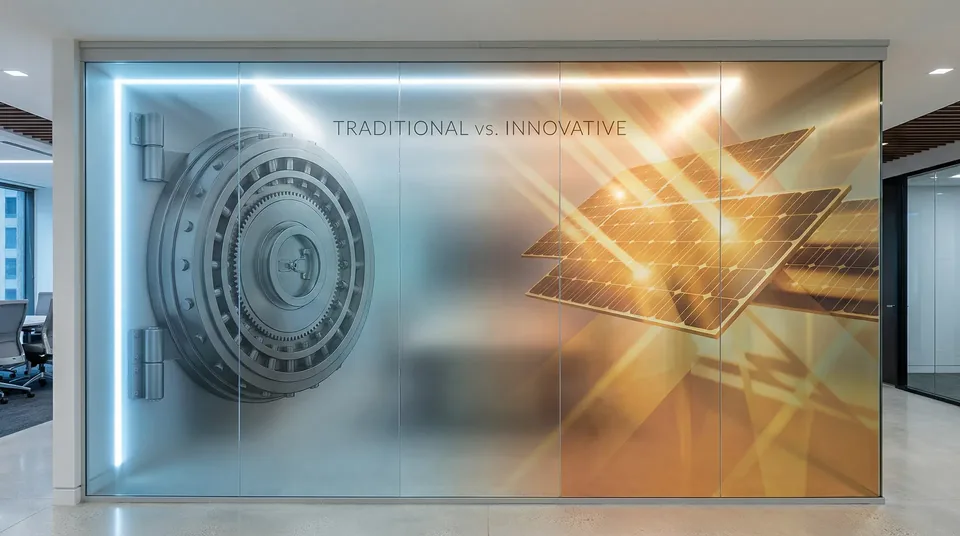
Bank certificates and participation in a solar asset work very differently. We compare where the return comes from, the risks, how exit works and the Sharia question — without declaring a winner.
Assess electricity costs using your actual tariff and bills. Consumption hours and contract terms determine solar viability; future tariff increases are not guaranteed.
Many savers in Egypt look for options that fit Sharia principles. This overview covers sukuk, Islamic bank products, real estate, gold, stocks and solar participation — with their characteristics and risks.
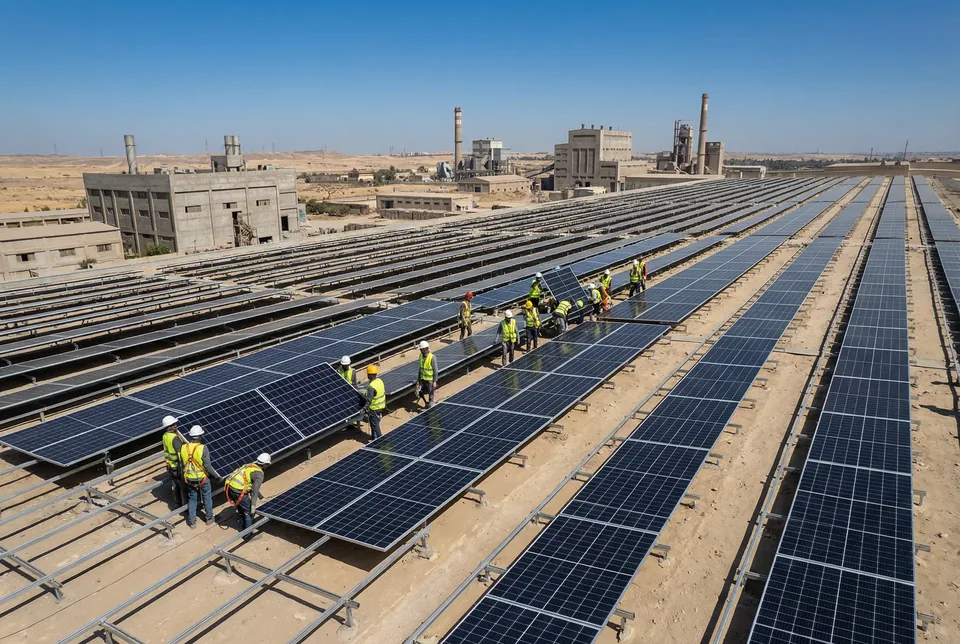
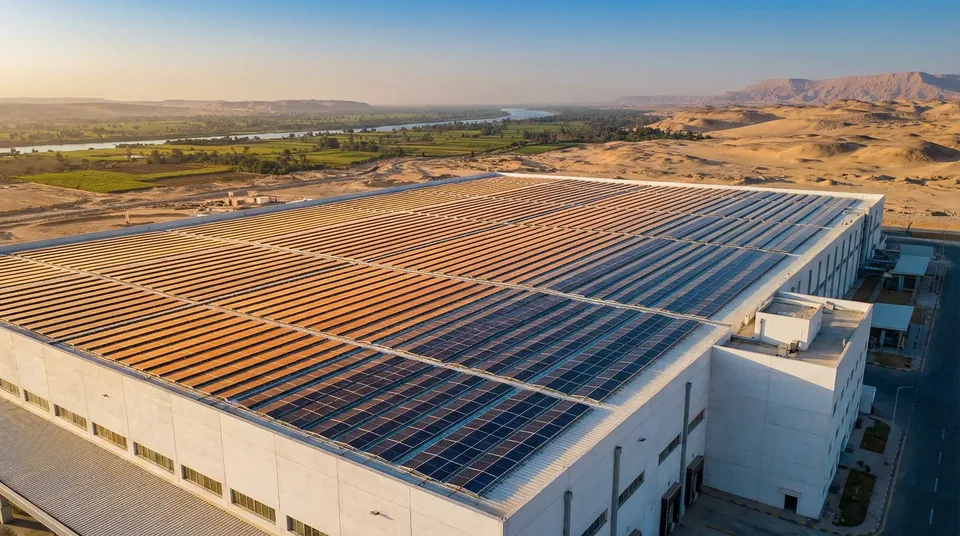
Solar viability in Egypt depends on location, daytime demand, tariffs and installation costs. Use official PVGIS estimates and assess each facility individually.
Liquidity matters to every participant. Here is how an exit request works at pv.direct — notice period, resale process, capital-return formula and what to keep in mind.
Every Egyptian saver faces the same question: where to put the money? We compare three options by source of return, risk, liquidity and effort — without picking a winner.
An introduction to Musharakah in Islamic finance — and how pv.direct participation is designed to align with its principles, including what that does and does not mean.
Get in touch and we'll answer all your questions about solar participation and its alignment with Sharia principles